Air pollution is the second-leading risk factor for death worldwide — and a major driver of the cardiovascular disease that ranks first
Clean Indoor Air. Healthy Communities. Stronger Schools.
Poor indoor air changes how children think, how they learn, how often they get sick, and how long they live. Cleaning it up is one of the most cost-effective ways to improve education outcomes, reduce disease, and build a society resilient to pandemics — for a few dollars per student a year. Our philanthropic fund is working to build a world where we all breathe clean indoor air.
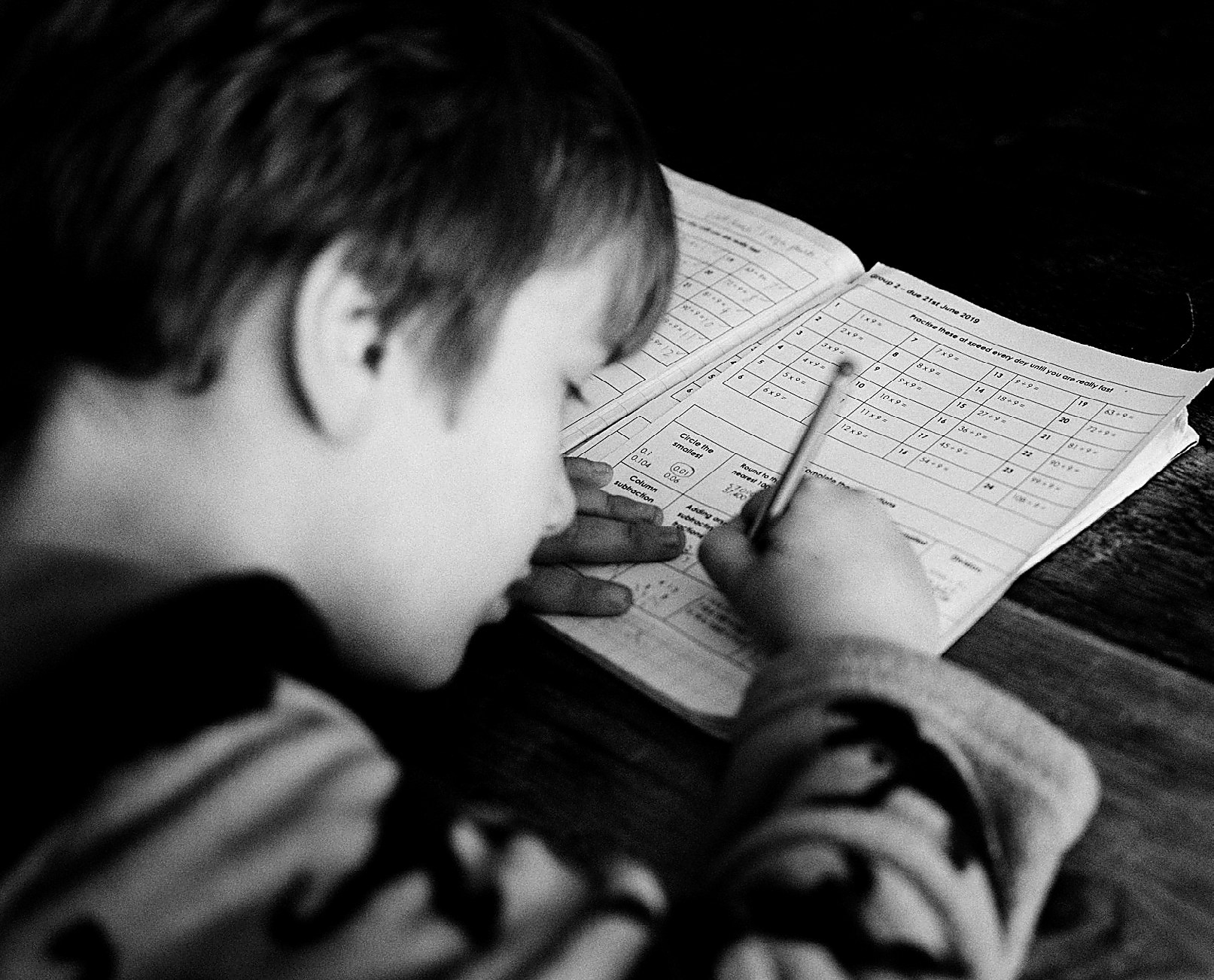
student absence in a randomized trial of classroom air purifiers, with the largest gains for the children missing the most school
of the time, a child may be the index case in household transmission — what happens in a classroom does not stay in the classroom
children under 15 — 93% of the world’s children — breathe air polluted enough to harm their brains and lungs
Why indoor air matters
One solution, three interventions.
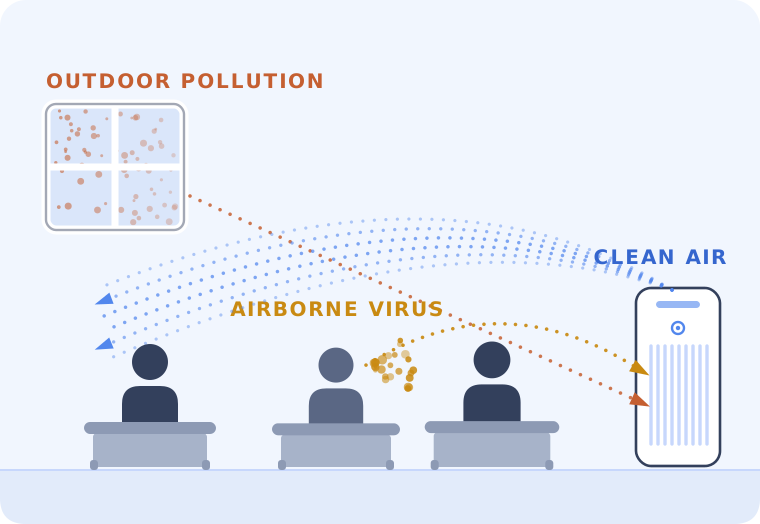
Improving the air in schools is one of the few things that simultaneously improves education outcomes, reduces the society-wide burden of infectious and noncommunicable disease, and builds a society resilient to pandemics.
01 · Health
Dirty air is a leading cause of death and disease
Air pollution contributed to 7.9 million deaths in 2023, 86% of them noncommunicable disease — heart disease, chronic respiratory disease, lung cancer, diabetes, dementia. A child’s lungs are still developing, so the air they breathe early shapes how those lungs work for life.
02 · Learning
Unhealthy air is a tax on every hour of instruction
The smallest particles pass into the bloodstream and reach the brain, where they interfere with how children think, hold information, and pay attention. When pollution spikes on test day, scores drop. Classroom filters cut absences 12.5% in a randomized trial.
03 · Pandemic resilience
We solved water and food. We never solved air.
Cities cleaned up drinking water a century ago and typhoid collapsed. Our food supply is so safe that outbreaks make national headlines. Airborne disease still travels freely through schools, offices, trains, and hospitals — the one route fast enough to outrun a response.
Our mission
Every child should breathe clean air that protects their health, sharpens their learning, and makes all of us more resilient to the next pandemic.
We already have the technology and the policy tools to do this. The Inspired Air Fund works with policy, industry, research, and education leaders to make healthy indoor air for children available everywhere, starting with schools and early childhood centers, because roughly a quarter of the population passes through one every day.
What we’re building
From proof to policy to scale.
A portfolio designed to fix the structural gaps rather than run one-off pilots: products built for classrooms, systems that last decades, and standards that say what safe indoor air actually means.
Market shaping
Specifications classrooms can actually use
A target product profile and model RFP for classroom air cleaning — quiet, out of sight, highly powered, affordable, serviced at scale.
Clean Air Capitals
City governments as the unit of change
A package of technology, tools, and know-how for city leaders across dozens of cities, built around the bottlenecks they actually hit.
Policy and standards
Defining what safe indoor air means
Supporting the policymakers behind the Global Pledge for Healthy Indoor Air — 273 signatories from 45 countries, including four governments.
New Field notes from phase one of fund-building — read Inspired Air
Every child deserves clean air.
Whether you lead a city or a district, fund this work, or want it for your own school, we’d love to hear from you.